
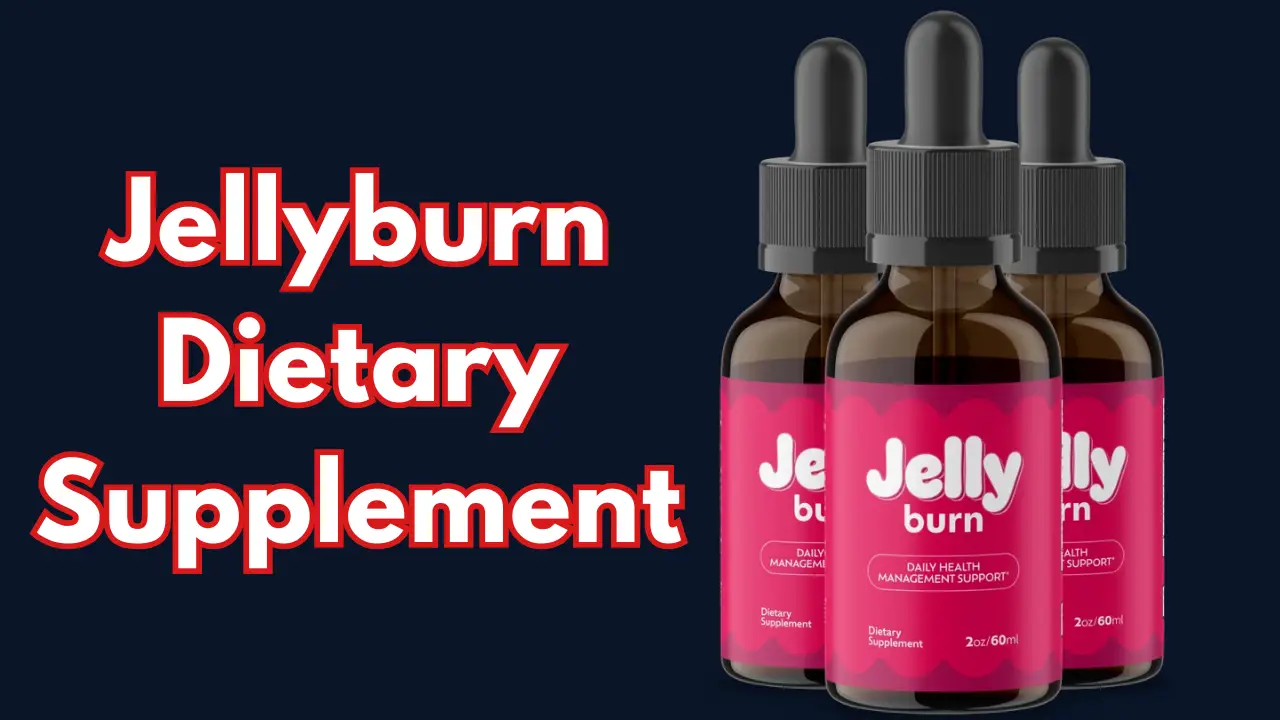
JellyBurn is a liquid dietary supplement that is sold for weight loss and metabolism support. It is marketed as a natural formula made from plant extracts, amino acids, and other compounds.
What Is Jellyburn?
According to its promotion, the product helps burn fat, control appetite, and support healthy blood sugar levels. The company also claims that the supplement boosts metabolism and targets hormones linked to weight gain.
Disclaimer:
This article is only for informational and educational purposes. It does not provide medical advice or recommend any product. The information discussed here is based on publicly available details, marketing claims, and general health knowledge. Always consult a qualified healthcare professional before trying any new supplement, especially if you have a medical condition or take medications.
Red Flags and Concerns About Jellyburn
While JellyBurn makes several bold claims, there are some concerns that buyers should carefully consider before making a decision.
1. Claims About GLP-1 and GIP Hormones
The marketing suggests that the supplement can help “reactivate” hormones such as GLP-1 and GIP, which are related to metabolism and appetite control. These hormones are real and play a role in blood sugar regulation. However, medicines that affect these hormones are prescription treatments that work through specific medical mechanisms.
A small-dose botanical supplement is unlikely to produce effects similar to prescription therapies unless supported by strong clinical evidence. The product’s website does not provide detailed scientific studies showing that the formula can influence these hormones in the way suggested.
2. Proprietary Blend Without Exact Dosages
Another concern is the lack of transparency regarding ingredient amounts. The label lists a “proprietary blend of powerful ingredients” but does not reveal the specific dose of each component.
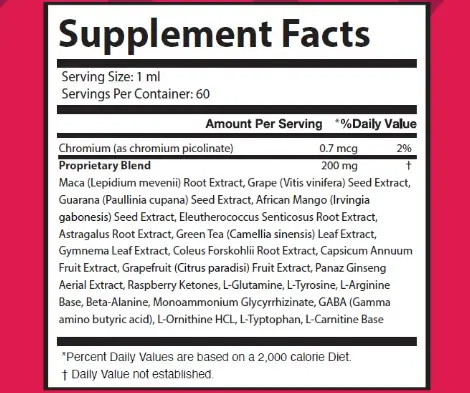
This raises several issues:
- Consumers cannot verify whether the ingredients match the doses used in clinical studies.
- The product may contain very small amounts of certain compounds.
- Claims of being “backed by research” cannot be fully evaluated without dosage details.
When supplement labels hide ingredient quantities, it becomes difficult to judge effectiveness or value.
3. Very Low or Unclear Active Ingredient Levels
The supplement facts show examples of very small nutrient amounts. For instance, chromium is listed at 0.7 micrograms, which equals only 2 percent of the daily value. Such a small quantity is unlikely to have a measurable impact on metabolism or weight management.
This example shows how label numbers may not match the levels typically used in successful studies.
4. Manufacturing Claims and FDA Registration
JellyBurn is promoted as being manufactured in the United States in an FDA-registered facility that follows good manufacturing practices. While this sounds reassuring, it does not mean the product itself has been approved or evaluated by the FDA.
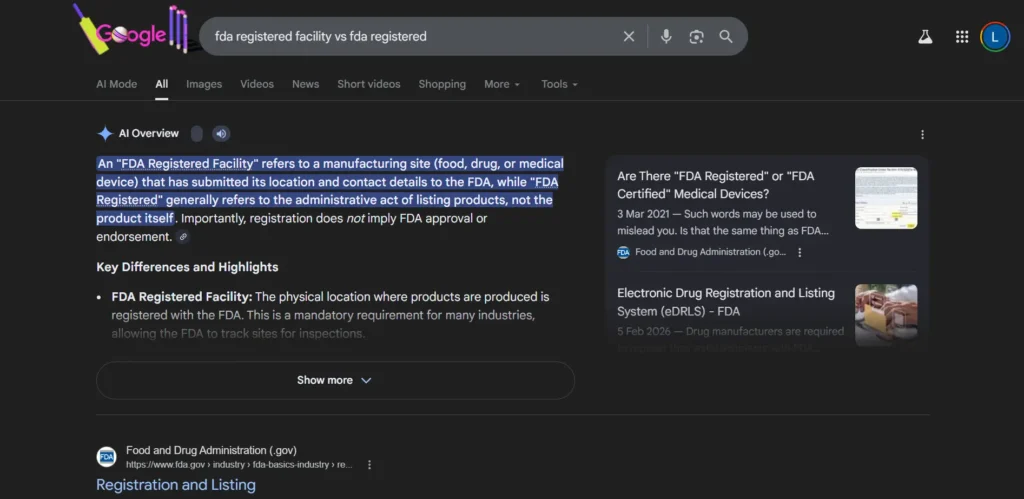
Dietary supplements do not require pre-market approval for safety or effectiveness. Manufacturers are responsible for ensuring their products are safe and accurately labeled. The company also includes a standard disclaimer stating that the product is not intended to diagnose, treat, cure, or prevent any disease.
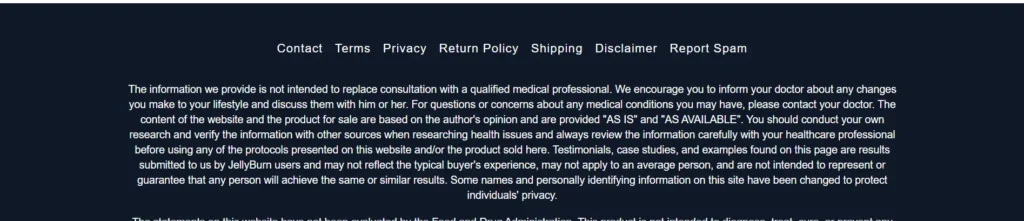
Some consumers may misunderstand these manufacturing statements as official approval, which is not the case.
5. Highly Positive Customer Statistics
The marketing materials highlight very high satisfaction rates and large numbers of positive reviews. Claims such as extremely high ratings and strong purchasing trends can be persuasive, but they should be evaluated carefully.
Here are some points to consider:
- Extremely high percentages and near-perfect ratings may not always reflect real customer experiences.
- The source and verification of reviews are not always clear.
- Such numbers are often used as marketing techniques to encourage quick decisions.
Buyers should look for independent reviews and verified customer feedback before relying on these statistics.
Safety and Potential Side Effects
JellyBurn is described as safe and made from natural ingredients. However, natural does not always mean risk-free. Different people may react differently to herbal extracts or nutritional compounds.
Possible concerns include allergic reactions, interactions with medications, or digestive discomfort. People with existing health conditions should be especially careful when trying any new supplement.
Does JellyBurn Support Healthy Weight Loss?
Sustainable weight loss usually depends on balanced nutrition, regular physical activity, proper sleep, and overall lifestyle habits. While supplements may offer support in some cases, they typically do not replace these fundamental practices.
There is currently no publicly available evidence showing that JellyBurn alone can produce significant or lasting weight loss results for most users. Without clear clinical research, the effectiveness of the product remains uncertain.
Consumers should approach products promising effortless or rapid fat loss with realistic expectations.
Final Thoughts
JellyBurn is marketed as a natural liquid supplement designed to support weight loss, improve metabolism, and control appetite. The product presents itself as safe and easy to use, with claims of scientific backing and strong customer satisfaction.
However, several concerns exist, including unclear ingredient dosages, limited scientific evidence for hormone-related claims, very small amounts of certain nutrients, and marketing statements that may be misunderstood. These factors make it difficult to fully evaluate the product’s effectiveness and reliability.

Leave a Reply