
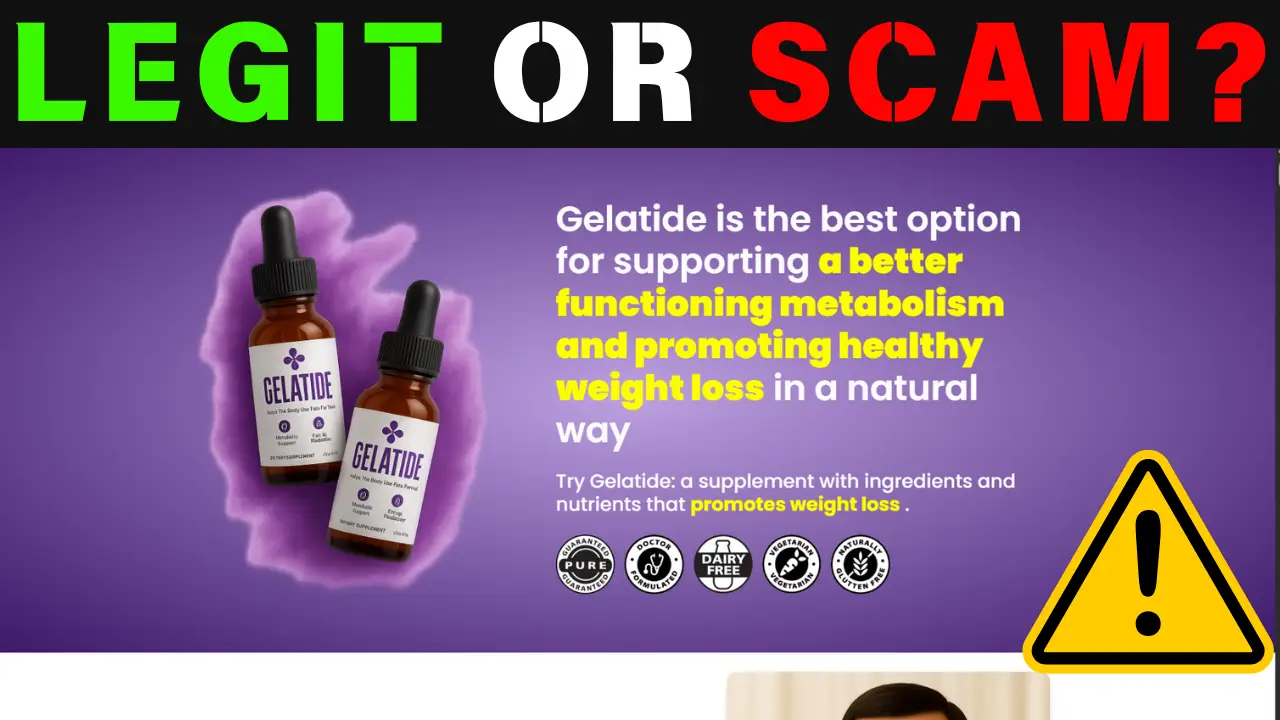
Gelatide has been circulating heavily online as a liquid dietary supplement that promises to support metabolism and encourage weight loss naturally. With bold marketing, dramatic transformation stories, and a long list of plant-based ingredients, it has caught the attention of many people searching for simple solutions to manage their weight. But when you take a closer look, many of these claims begin to raise questions.
A lot of people also search for information on “Dr. Oz Gelatide” because some ads subtly imply or hint that the product is associated with Dr. Oz. This has added even more confusion for people trying to understand whether the product is reliable.
In this review, we will break down what Gelatide claims to do, what concerns appear in its marketing strategy, and the major red flags that should make consumers think twice before buying it.
What Gelatide Claims
Gelatide is promoted as a 100% natural liquid supplement designed to boost metabolism, support digestion, and encourage fat burning. The website says the formula “attacks harmful bacteria,” “activates fat burning,” and “helps the body use fat as fuel.” The marketing pushes the idea that it supports continuous fat breakdown, increases energy, and reduces appetite without extreme dieting.

According to the product’s promotional message, Gelatide claims to:
- Improve metabolism and activate faster calorie burning
- Support digestion and nutrient absorption
- Reduce appetite naturally
- Encourage healthy weight management
Major Concerns and Red Flags About Gelatide
Below are the most significant issues and warning signs consumers should be aware of.
Big Efficacy Claims With Weak Human Evidence
One of the biggest concerns is the extremely bold claims made about ingredients like raspberry ketones. The website says raspberry ketones “mimic ketosis” and “help break down stored fat from the first weeks,” but the reality is more complicated. Raspberry ketones gained popularity years ago based on test-tube and animal experiments—not solid human research.
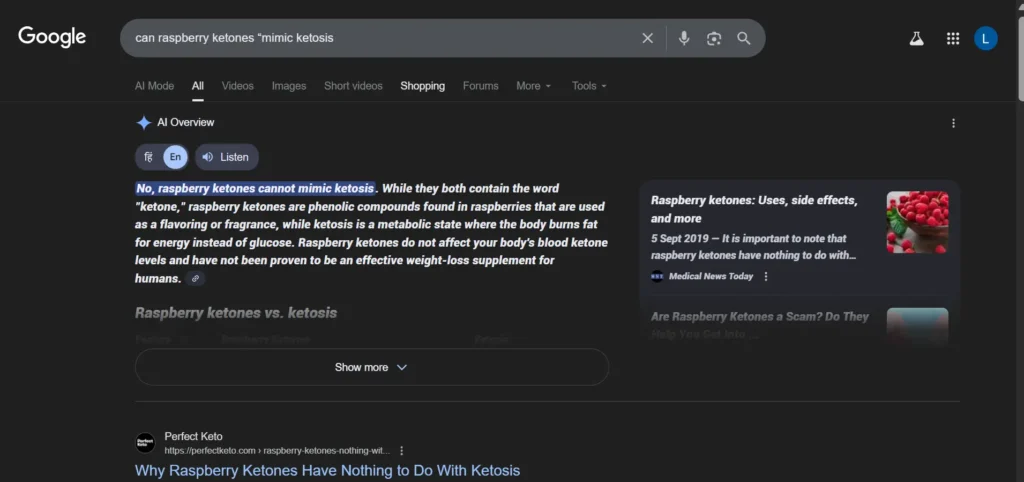
Only one small human study exists, and it used a mixture of many ingredients, so it’s impossible to link any results directly to raspberry ketones alone.
“100% Natural” + “FDA-Registered Facility” Creates Misleading Impressions
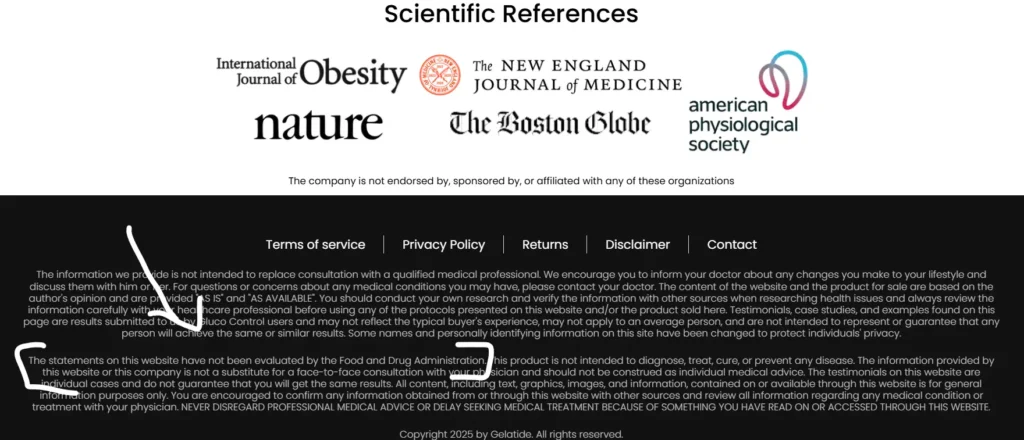
The product repeatedly highlights phrases like “100% natural” and “produced in an FDA-registered facility.” For many buyers, this sounds like the product itself has FDA oversight, but that is not the case.
The FDA does not approve dietary supplements before they enter the market. Companies only register their manufacturing facilities, which is not the same as approval, testing, or evaluation.
Meanwhile, at the bottom of the page, Gelatide includes the standard disclaimer:
“These statements have not been evaluated by the FDA.”
Proprietary Blend With Tiny, Unclear Dosages
The supplement facts label shows a 200 mg proprietary blend containing over a dozen botanicals and several amino acids. When so many ingredients are squeezed into such a tiny total amount, meaningful dosing becomes nearly impossible.
For example:
- Chromium is listed at 0.7 mcg, which is far below typical supplemental levels.
- Without knowing the amount of each ingredient inside the blend, there is no way to judge whether any of them are present in an amount that could realistically influence metabolism or appetite.
- Many weight-focused supplements use this technique to hide underdosed ingredients while still using them in marketing claims.
A proprietary blend that looks impressive on paper but is extremely small in actual size is a classic red flag for questionable potency.
Misleading Use of Dr. Oz’s Name and Fake “Recipe Trick” Ads
A major issue around Gelatide is the way some ads circulate online. Many viewers see “Dr. Oz Gelatide weight loss” promotions and assume he endorses it. But Dr. Oz has personally warned the public about companies illegally using his name, saying they “dupe unsuspecting family and friends” and harm customers.
He has stated clearly that he does not endorse miracle-style weight-loss solutions.
In fact, Dr. Oz partnered with a reputable retailer, iHerb, precisely to give people a safer place to buy supplements because of the rise in misleading ads that misuse his identity.

Another trick includes the so-called “Gelatin weight-loss recipe” videos on social media. These videos promise a magical recipe that melts fat quickly. After watching a long story, viewers are led to a sales page pushing the Gelatide supplement. Dr. Oz has specifically spoken against such tricks, saying there is no miracle recipe or shortcut product that melts fat like these ads claim.
These marketing tactics show why consumers need to be cautious.
Key concerns include:
- Over-promising results that go far beyond what the ingredients are known to do
- Lack of clear dosage breakdown for each ingredient
- Marketing techniques designed to create urgency rather than informed decisions
These patterns make it important for consumers to approach this product with caution and to rely on professional medical guidance when considering any supplement for weight management.
Final Verdict
Gelatide is marketed as a natural, metabolism-boosting liquid supplement with a long list of plant extracts and amino acids. While the presentation appears attractive, the product raises several concerns — from exaggerated ingredient claims to unclear dosages and questionable advertising approaches that lean heavily on emotional persuasion rather than verifiable facts.
Anyone considering a product like this should carefully evaluate the scientific support behind its claims, be aware of how marketing tactics can influence buying decisions, and consult a healthcare professional for guidance. Sustainable weight management comes from healthy lifestyle habits, not quick-fix promises or dramatic statements found in ads.



Leave a Reply